French Government Suspends Use of Stun Grenades Following High School Protest Injury
World Pulse Editorial — The WORLD PULSE editorial team covers international news, business, technology, AI, science, sport, culture and other subjects of public interest. The desk applies source attribution, editorial checks, context and corrections standards across the publication.
The byline identifies the newsroom author or editorial team responsible for this publication. Where the story is based on external reporting, those sources are identified below.
AI-assisted production may have been used in the drafting workflow. Source verification, attribution and editorial review remain the responsibility of WORLD PULSE.

French interior minister Laurent Nuñez has ordered a temporary halt to the use of stun grenades at student-led demonstrations after a 15-year-old boy was severely injured during a protest in Lens.

French authorities have suspended the use of stun grenades at high school demonstrations following an incident in Lens, northern France, where a 15-year-old student lost a hand. According to The Guardian, Interior Minister Laurent Nuñez announced the temporary ban on Wednesday, stating the measure will remain in place “until we know exactly what happened in this case.”
The injured student’s mother stated in a media interview that her son’s hand had been amputated. While authorities have not confirmed the precise circumstances of the injury, they noted that police were responding to a group of up to 200 protesters who were throwing projectiles at riot squads.
This development follows two weeks of widespread student unrest across France, driven by concerns over teacher shortages, overcrowded classrooms, and the state of school buildings. The education ministry reported that 429 of France’s 3,700 high schools were partially or fully suspended as of Wednesday. While many marches remained peaceful, some demonstrations—including those in Paris—have involved vandalism, fires, and clashes between protesters and police.
Minister Nuñez rejected claims of systematic police brutality, telling parliament that accusations of “police repression” were “excessive” and insisting that officers only intervene during violent incidents. Prime Minister Sébastien Lecornu also denied that security forces have orders to confront students. Despite these denials, the government faces criticism from rights groups and unions, with Amnesty France calling for a permanent ban on stun grenades, citing the potential for life-changing injuries.
According to government figures, 215 teenagers and 89 school staff have been injured since the protests began, alongside 761 police officers. More than 6,600 people have been arrested, and the justice ministry reports that nearly 1,500 minors are currently being prosecuted.
Prime Minister Lecornu promised that the government would present an action plan by the end of October to address grievances regarding school conditions. The movement has created political tension ahead of upcoming presidential elections, with the government alleging that the La France Insoumise party has encouraged the unrest.
Topic coverage
Follow recurring subjects across the WORLD PULSE newsroom.
Topics
Reader interest
Most read
 UKKelsey Parker Welcomes New Baby Named River Following Heartbreaking Stillbirth
 AIOpenAI Discloses New Safety Issues and Outlines Plan for Tracking Incidents
 SportsAsian Games Facing Accommodation Crisis and Weather Disruptions in Nagoya, Japan
More from the newsroom
Latest stories
 SportsDodgers Eliminate Braves to Secure Third Consecutive NLCS Appearance
 UKBank of England Selects Four Animals for Future Banknote Redesigns
 TechnologyOpenAI Used AI Tools to Draft Security Alert Sent to Australian Government
 WorldNewly Released Footage Details Iranian Attacks on Kuwaiti U.S. Base
 USATennessee Death Row Inmate Christa Pike Survives Botched Execution, Recovers in Hospital
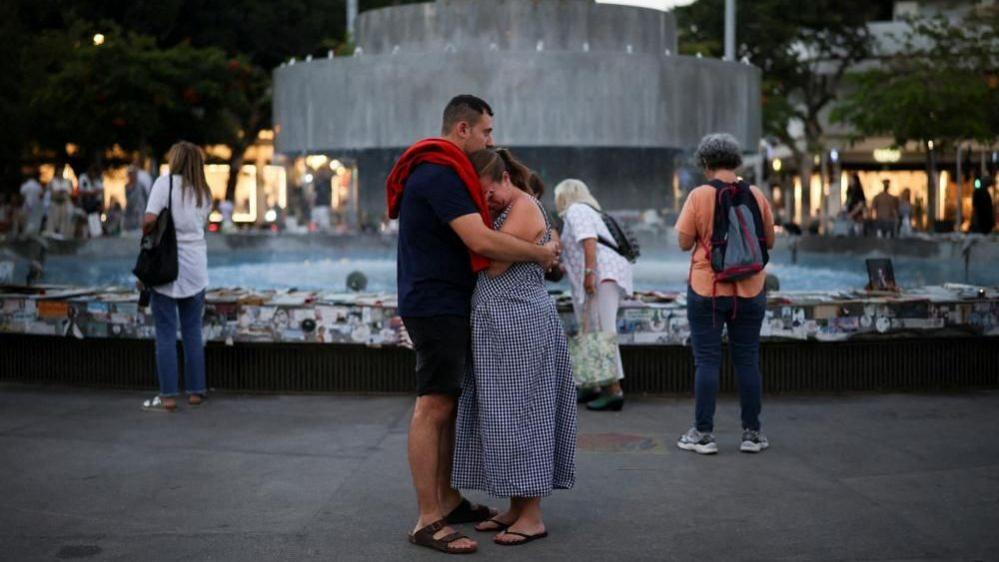 WorldIsrael Marks Three-Year Anniversary of 7 October Hamas Attack with National Memorials
Research & context
Explore WORLD PULSE reference pages
Use these newsroom indexes to follow related coverage, review publication timelines and explore how WORLD PULSE reporting is organized.
Sources & attribution
The external reports, announcements or publications used to inform this article are listed here for attribution and reader context. A source link does not mean WORLD PULSE independently endorses every claim in that source.
Questions about sourcing, attribution or corrections: contact the newsroom.