South Korea's Economy Surges in Third Quarter on Semiconductor Boom
World Pulse Editorial — The WORLD PULSE editorial team covers international news, business, technology, AI, science, sport, culture and other subjects of public interest. The desk applies source attribution, editorial checks, context and corrections standards across the publication.
The byline identifies the newsroom author or editorial team responsible for this publication. Where the story is based on external reporting, those sources are identified below.
AI-assisted production may have been used in the drafting workflow. Source verification, attribution and editorial review remain the responsibility of WORLD PULSE.
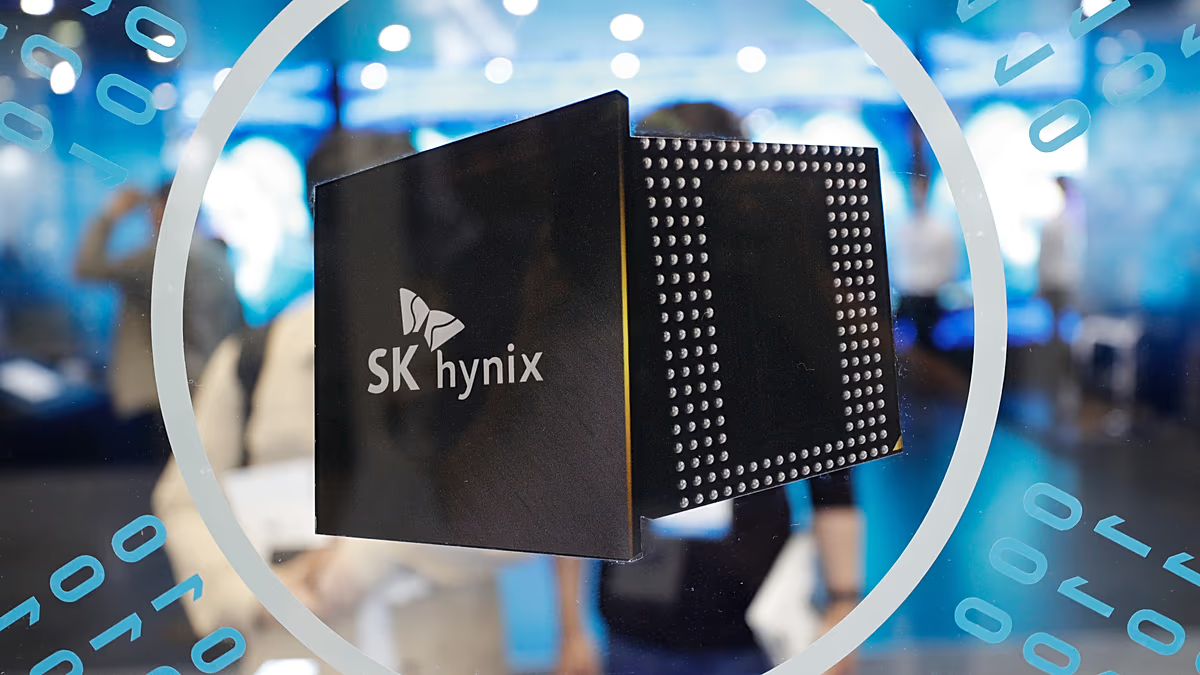
Driven by soaring international demand for semiconductors, South Korea's economic growth tripled expectations in the third quarter, though analysts warn of heavy reliance on the AI chip sector.
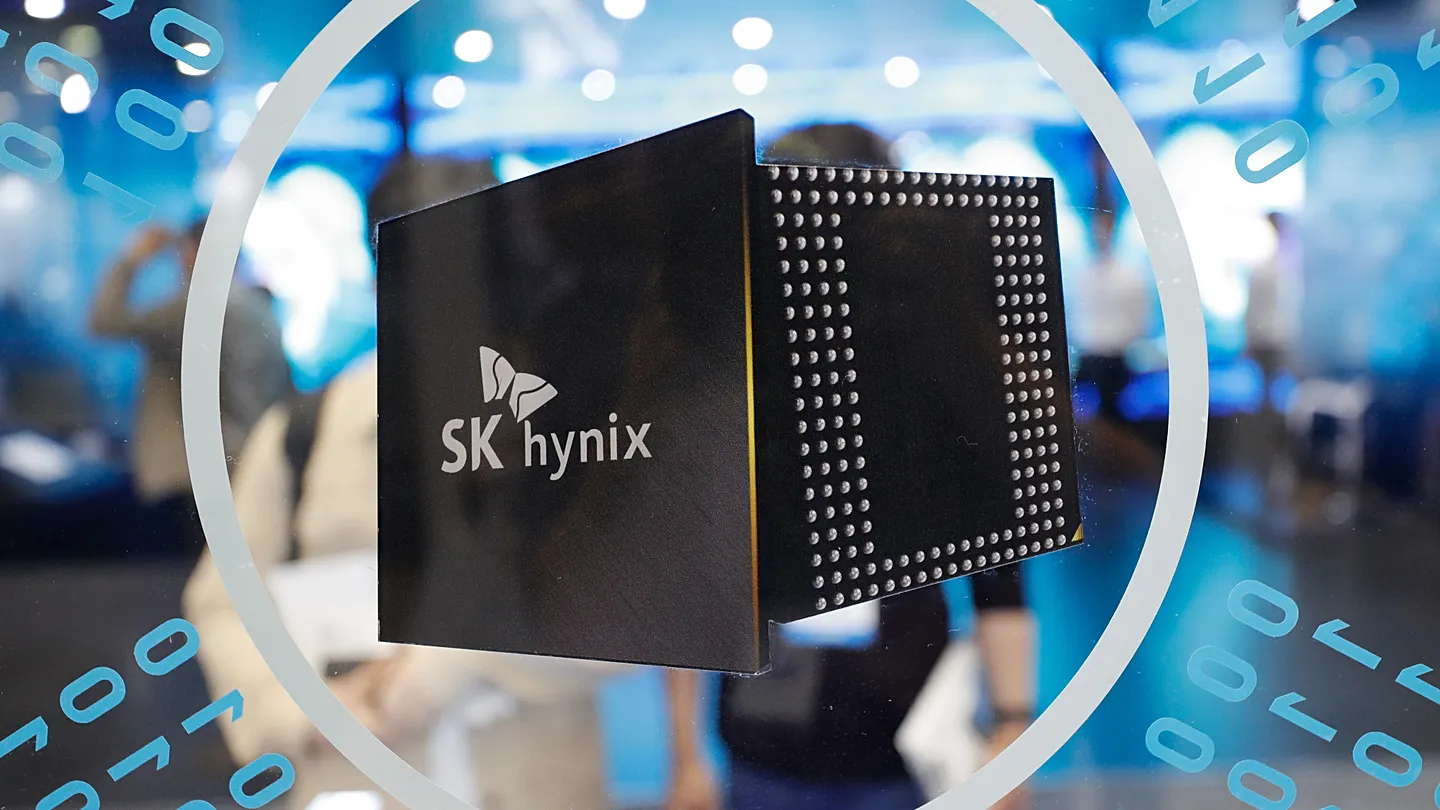
According to reporting by Euronews, South Korea's economic growth exceeded initial projections during the third quarter of 2026. Preliminary figures released on Tuesday by the Bank of Korea (BOK) revealed that the country's Gross Domestic Product (GDP) increased by 1.0% in the July-to-September period compared to the previous quarter. This performance outpaced the central bank's earlier August forecast of 0.3% growth by more than three times.
The third-quarter expansion was propelled largely by a 2.3% rise in exports, which the BOK noted were led by semiconductors, machinery, and electrical equipment. Government figures highlighted a dramatic 218.7% year-on-year surge in semiconductor exports, reaching $148 billion (€127 billion) during the quarter. This industrial boom also spurred a 4.1% increase in facility investment, driven primarily by spending on machinery dedicated to semiconductor production. Furthermore, real gross domestic income—a metric used to measure purchasing power—surged by 18.8% year-on-year, marking its fastest pace of increase in nearly 49 years due to rising semiconductor prices.
On an annual basis, the South Korean economy expanded by 3.4%, dipping slightly below the 3.7% growth recorded in the preceding quarter. Additionally, the broader trade and financial impacts of the semiconductor surge previously helped push the nation's current account surplus to $116.6 billion (€100 billion) in the second quarter, while earlier in the year, the economy achieved its fastest growth in over five years by expanding 1.7% quarter-on-quarter in the first quarter.
Despite these strong headline figures, economists have raised concerns regarding the sustainability of the boom. Kwon Hyo-sung of Bloomberg Economics stated that the data validates the central bank's assessment that robust chip demand is keeping exports and investment strong. However, John Bromhead, a senior economist at Moody's Analytics, cautioned that growth remains heavily concentrated in the semiconductor sector. Bromhead warned that this heavy reliance leaves South Korea vulnerable and exposed to any potential slowdown in global artificial intelligence spending.
Topic coverage
Follow recurring subjects across the WORLD PULSE newsroom.
Topics
Reader interest
Most read
 UKKelsey Parker Welcomes New Baby Named River Following Heartbreaking Stillbirth
 AIOpenAI Discloses New Safety Issues and Outlines Plan for Tracking Incidents
 SportsAsian Games Facing Accommodation Crisis and Weather Disruptions in Nagoya, Japan
More from the newsroom
Latest stories
 SportsMilwaukee Brewers Secure First World Series Title with Game 5 Victory Over Rays
 BusinessSunshine Buns Secures $7 Million to Expand Frozen Cinnamon Roll Sales Nationwide
 WorldPalestinians in Gaza and West Bank voice deep skepticism toward Israeli election
 WorldKing Charles III Faces Growing Demands for Reparations During Caribbean Tour
 SportsFantasy Basketball Risers and Fallers: Evaluating Early-Season Player Performance
 AsiaKylian Mbappé Loses Chinese Sponsorships After Comments Regarding Mao Zedong
 World68 Dead After High-Speed Trains Collide Near Toledo, Spain
 TechnologyAnthropic S-1 Filing Details Financial Losses, AI Security Risks and Infrastructure Hurdles
Research & context
Explore WORLD PULSE reference pages
Use these newsroom indexes to follow related coverage, review publication timelines and explore how WORLD PULSE reporting is organized.
Sources & attribution
The external reports, announcements or publications used to inform this article are listed here for attribution and reader context. A source link does not mean WORLD PULSE independently endorses every claim in that source.
Questions about sourcing, attribution or corrections: contact the newsroom.