King Charles III Faces Growing Demands for Reparations During Caribbean Tour
World Pulse Editorial — The WORLD PULSE editorial team covers international news, business, technology, AI, science, sport, culture and other subjects of public interest. The desk applies source attribution, editorial checks, context and corrections standards across the publication.
The byline identifies the newsroom author or editorial team responsible for this publication. Where the story is based on external reporting, those sources are identified below.
AI-assisted production may have been used in the drafting workflow. Source verification, attribution and editorial review remain the responsibility of WORLD PULSE.
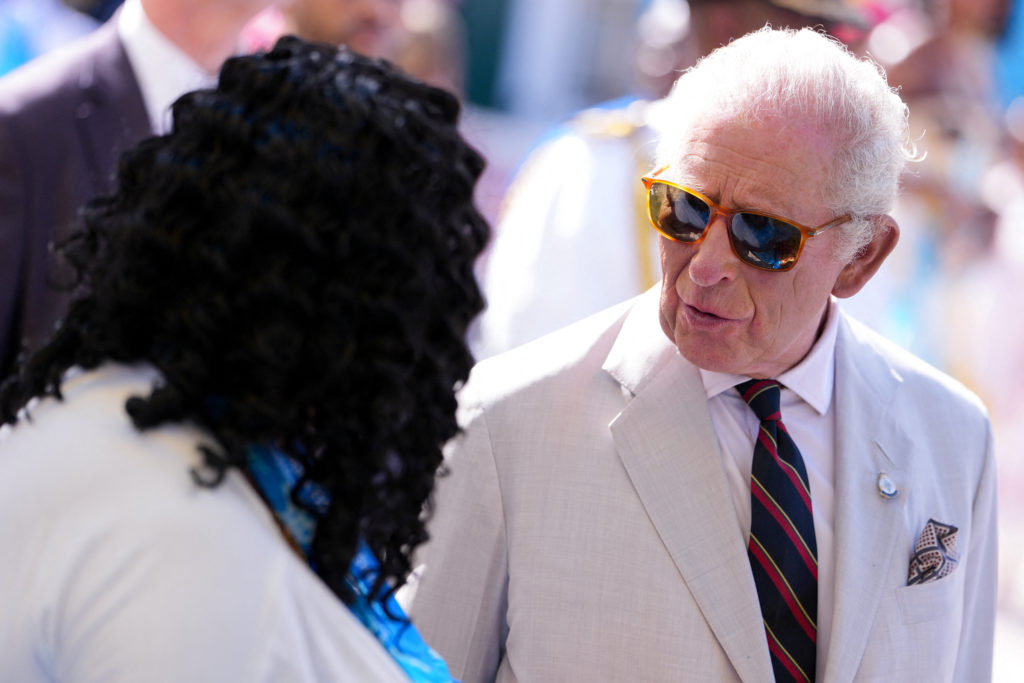
As King Charles III begins a nine-day tour of the Bahamas, Guyana, and Antigua and Barbuda, he faces intensifying calls from activists and leaders for the British monarchy to formally apologize and pay reparations for its historical role in the transatlantic slave trade.
According to PBS NewsHour, King Charles III is currently undertaking a nine-day tour of the Bahamas, Guyana, and Antigua and Barbuda, a journey marked by public pressure regarding the British monarchy’s historical involvement in the enslavement of millions of Africans. During the visit, the King is expected to reiterate his previous stance that slavery is an "atrocity that forever stains our history," while stopping short of a formal apology.
Palace officials and constitutional experts, including Craig Prescott of Royal Holloway, University of London, note that the King’s public remarks are constrained by British government policy. The current UK government has maintained a long-standing position that while the historical reality of slavery is acknowledged, financial reparations are not payable. This stance is reportedly linked to concerns over the potential cost to taxpayers amid domestic economic pressures.
Historical research, including that of Virginia Commonwealth University professor Brooke Newman, highlights that the British monarchy’s ties to the slave trade date back to 1563, when Queen Elizabeth I profited from voyages transporting enslaved Africans. Subsequent monarchs, including King Charles II, were also involved in investing in ventures that traded in enslaved people.
Critics argue that the King's standard acknowledgment is insufficient. Hilary Beckles, chair of the Caribbean Community's reparations commission, has called on the King to address these historical wrongs as an individual rather than solely as a head of state. Meanwhile, the United Nations has recently urged member states to pursue reparatory justice, a resolution the United Kingdom abstained from in March.
The King’s tour concludes with a visit to Antigua and Barbuda, which is scheduled to host a meeting of Commonwealth leaders. Observers suggest that the tension surrounding these issues remains a persistent challenge for the monarchy as it navigates its historical legacy in the Caribbean and across the Commonwealth.
Topic coverage
Follow recurring subjects across the WORLD PULSE newsroom.
Topics
Reader interest
Most read
 UKKelsey Parker Welcomes New Baby Named River Following Heartbreaking Stillbirth
 AIOpenAI Discloses New Safety Issues and Outlines Plan for Tracking Incidents
 SportsAsian Games Facing Accommodation Crisis and Weather Disruptions in Nagoya, Japan
More from the newsroom
Latest stories
 SportsMilwaukee Brewers Secure First World Series Title with Game 5 Victory Over Rays
 BusinessSunshine Buns Secures $7 Million to Expand Frozen Cinnamon Roll Sales Nationwide
 WorldPalestinians in Gaza and West Bank voice deep skepticism toward Israeli election
 SportsFantasy Basketball Risers and Fallers: Evaluating Early-Season Player Performance
 AsiaKylian Mbappé Loses Chinese Sponsorships After Comments Regarding Mao Zedong
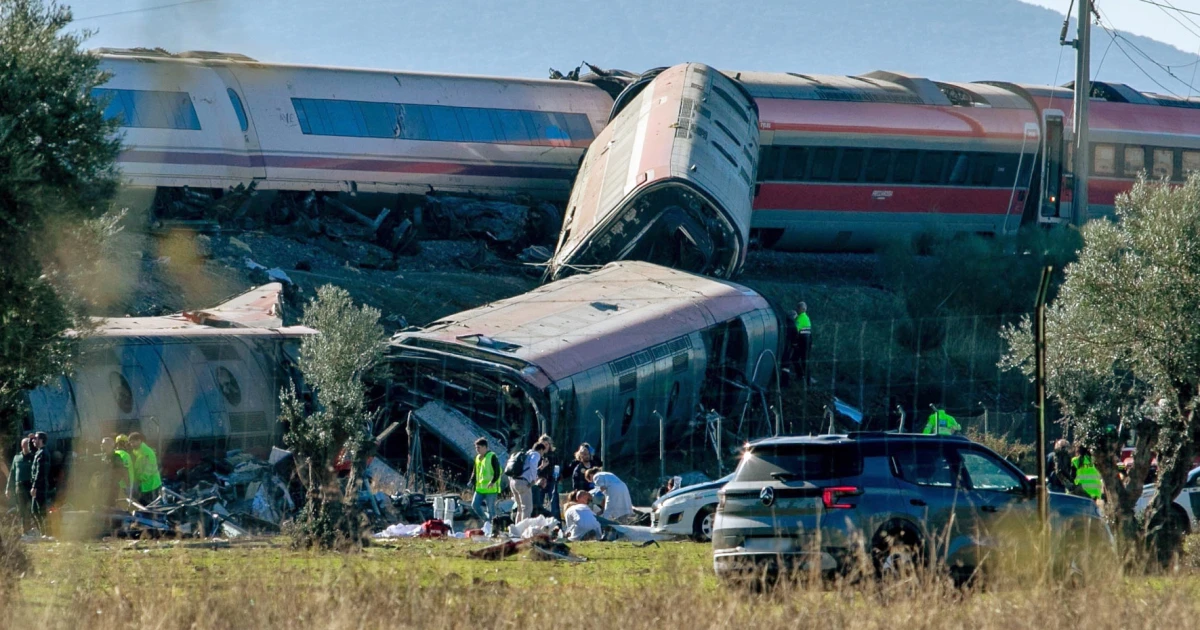 World68 Dead After High-Speed Trains Collide Near Toledo, Spain
 TechnologyAnthropic S-1 Filing Details Financial Losses, AI Security Risks and Infrastructure Hurdles
 USADNA Testing Links Serial Killer Ted Bundy to 1974 Utah Murder
Research & context
Explore WORLD PULSE reference pages
Use these newsroom indexes to follow related coverage, review publication timelines and explore how WORLD PULSE reporting is organized.
Sources & attribution
The external reports, announcements or publications used to inform this article are listed here for attribution and reader context. A source link does not mean WORLD PULSE independently endorses every claim in that source.
Questions about sourcing, attribution or corrections: contact the newsroom.