Volkswagen to Build $4bn Audi SUV Factory in US Despite Job Cuts at Home
World Pulse Editorial — The WORLD PULSE editorial team covers international news, business, technology, AI, science, sport, culture and other subjects of public interest. The desk applies source attribution, editorial checks, context and corrections standards across the publication.
The byline identifies the newsroom author or editorial team responsible for this publication. Where the story is based on external reporting, those sources are identified below.
AI-assisted production may have been used in the drafting workflow. Source verification, attribution and editorial review remain the responsibility of WORLD PULSE.

Audi plans to invest $4bn to build its first US factory in Macon, Georgia, creating 4,500 jobs, even as parent company Volkswagen implements widespread job cuts at home.

According to reporting by The Guardian, Audi will spend $4bn (£3bn) to build its first factory in the United States, locating the new facility in Macon, Georgia. Audi chief executive Gernot Döllner joined Donald Trump on stage at a rally on Saturday night to announce the project. Döllner stated that the investment demonstrates a belief in the American market, noting plans to produce the brand's largest and most premium SUVs at the new location.
The facility aims to produce 200,000 SUVs annually—specifically the Q7, Q8, and Q9 models—which will shift some production away from Bratislava in Slovakia. The project is expected to create 4,500 jobs in Georgia.
The investment by parent company Volkswagen comes while the manufacturer faces significant financial pressures. According to the reporting, Volkswagen has stated that Trump’s tariffs cost the company up to €5bn (£4.2bn) a year before factoring in lower sales, and the carmaker continues to struggle with high pressure from import tariffs. Audi itself has been affected by 15% tariffs on imports from the EU and efforts under the Trump administration to reduce sales of battery electric vehicles in favor of petrol cars.
While expanding in the US, Volkswagen faces mounting domestic pressures. The German manufacturer has begun cutting as many as 100,000 jobs and closing factories in Germany, driven by intense competition from Chinese carmakers, trade tariffs, and the costs of shifting to electric vehicles for markets outside the US.
Despite the global pivot toward electrification, Volkswagen and its executives highlight that ongoing demand exists in the US for large petrol-powered SUVs. Chief executive Oliver Blume previously told investors in July that US tariffs create a significant burden and restrict international trade, but the company is proceeding with the Macon facility to serve the American preference for large vehicles, including the upcoming Q9 SUV. Large petrol-powered SUVs have historically played a major role in global carbon emissions.
Topic coverage
Follow recurring subjects across the WORLD PULSE newsroom.
Topics
Reader interest
Most read
 UKKelsey Parker Welcomes New Baby Named River Following Heartbreaking Stillbirth
 AIOpenAI Discloses New Safety Issues and Outlines Plan for Tracking Incidents
 SportsAsian Games Facing Accommodation Crisis and Weather Disruptions in Nagoya, Japan
More from the newsroom
Latest stories
 SportsMilwaukee Brewers Secure First World Series Title with Game 5 Victory Over Rays
 BusinessSunshine Buns Secures $7 Million to Expand Frozen Cinnamon Roll Sales Nationwide
 WorldPalestinians in Gaza and West Bank voice deep skepticism toward Israeli election
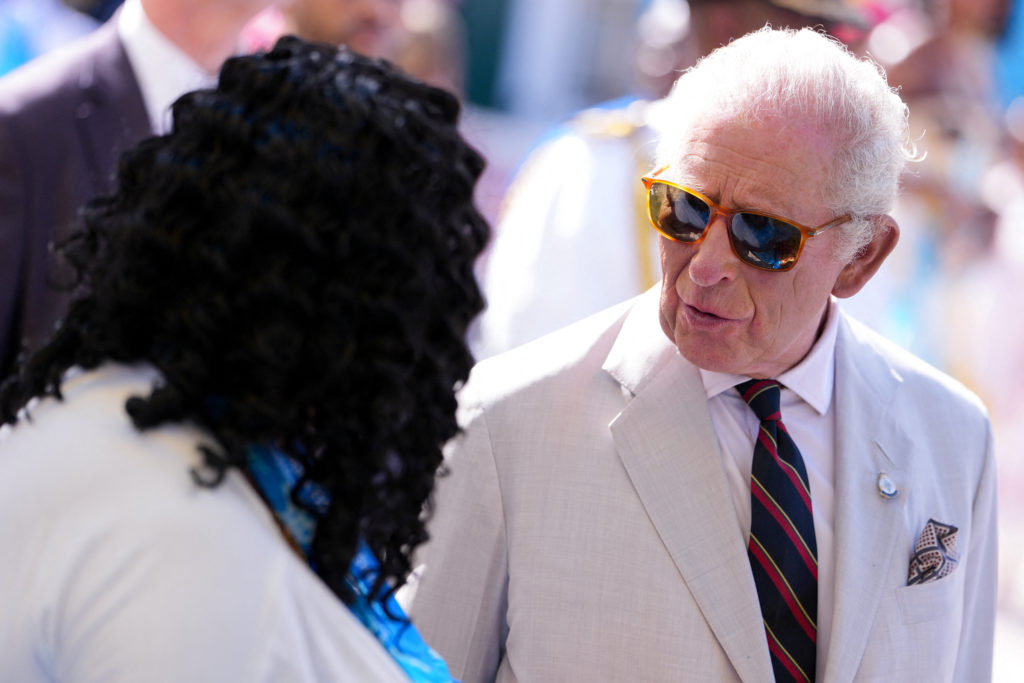 WorldKing Charles III Faces Growing Demands for Reparations During Caribbean Tour
 SportsFantasy Basketball Risers and Fallers: Evaluating Early-Season Player Performance
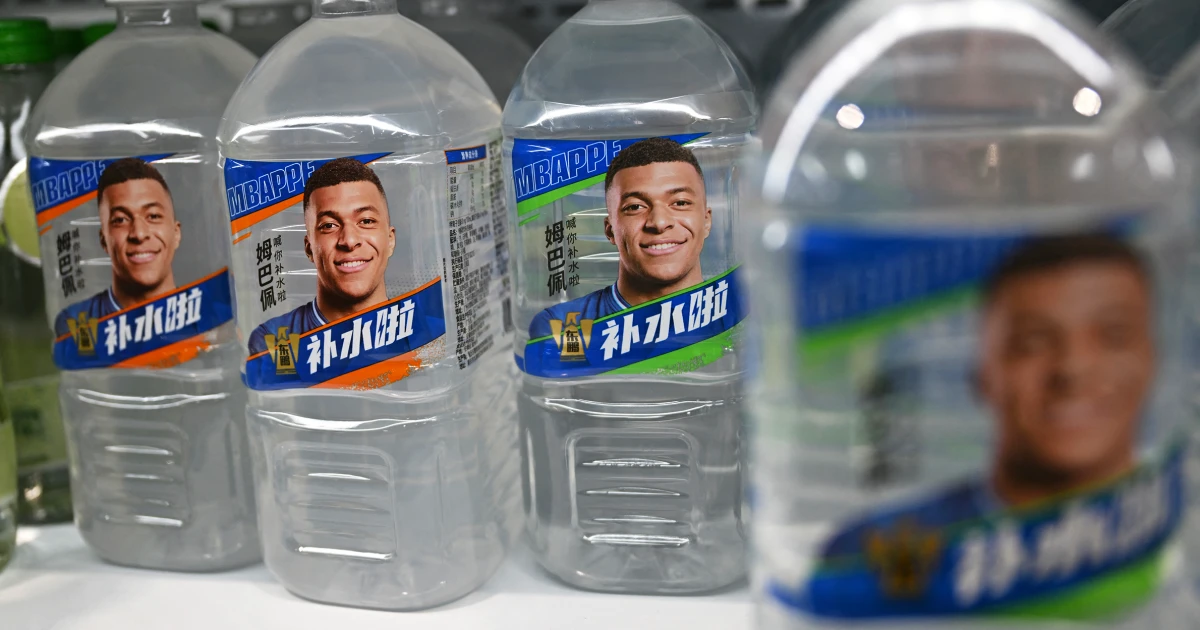 AsiaKylian Mbappé Loses Chinese Sponsorships After Comments Regarding Mao Zedong
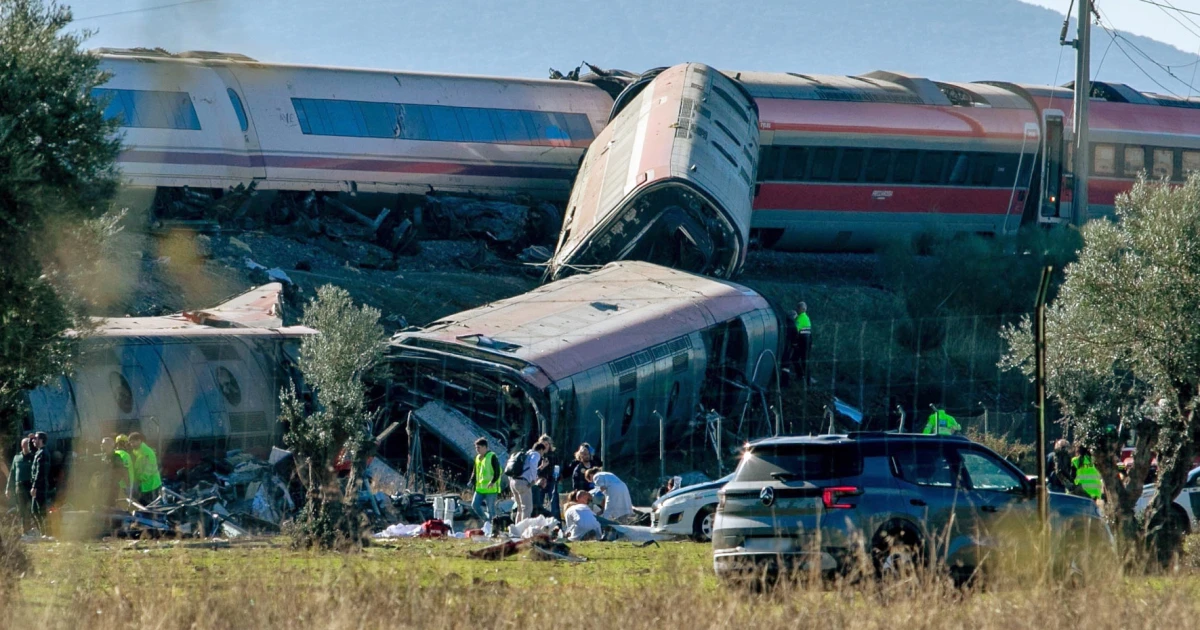 World68 Dead After High-Speed Trains Collide Near Toledo, Spain
 TechnologyAnthropic S-1 Filing Details Financial Losses, AI Security Risks and Infrastructure Hurdles
Research & context
Explore WORLD PULSE reference pages
Use these newsroom indexes to follow related coverage, review publication timelines and explore how WORLD PULSE reporting is organized.
Sources & attribution
The external reports, announcements or publications used to inform this article are listed here for attribution and reader context. A source link does not mean WORLD PULSE independently endorses every claim in that source.
Questions about sourcing, attribution or corrections: contact the newsroom.