Can AI replace humans in translation? Experts warn of high-stakes errors
World Pulse Editorial — The WORLD PULSE editorial team covers international news, business, technology, AI, science, sport, culture and other subjects of public interest. The desk applies source attribution, editorial checks, context and corrections standards across the publication.
The byline identifies the newsroom author or editorial team responsible for this publication. Where the story is based on external reporting, those sources are identified below.
AI-assisted production may have been used in the drafting workflow. Source verification, attribution and editorial review remain the responsibility of WORLD PULSE.
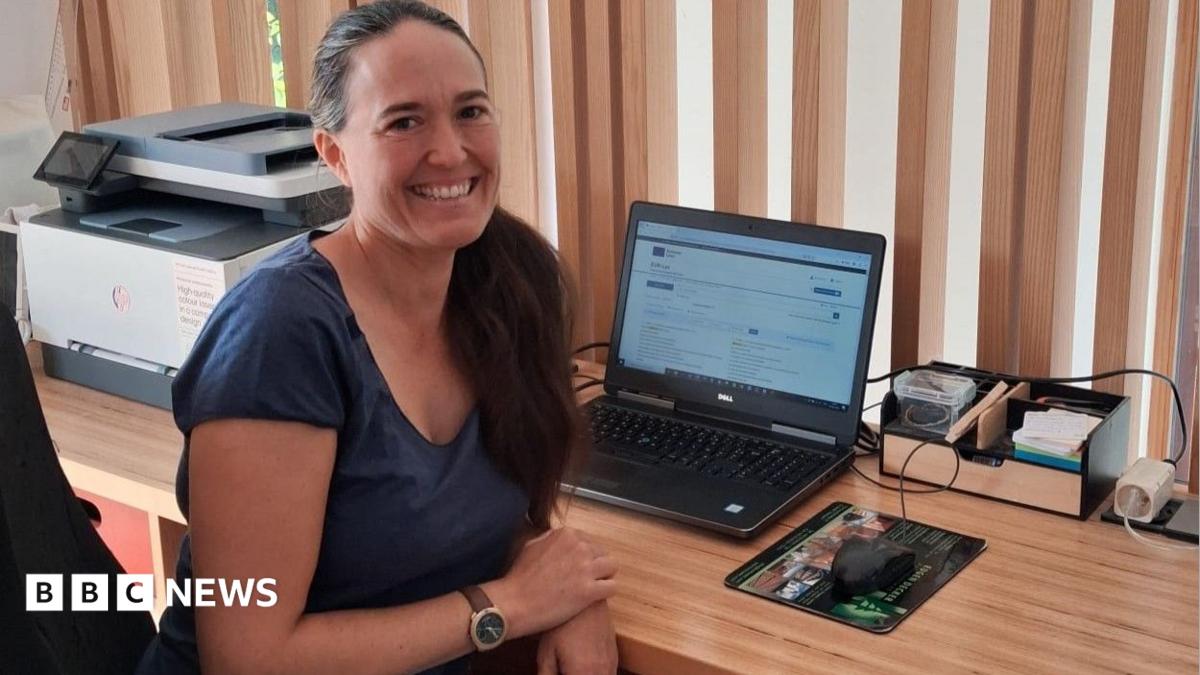
With Google Translate alone handling a trillion words monthly, AI translation is booming. However, experts from the BBC's report highlight critical failures in medical and legal contexts where 'fluent' machine output masks dangerous inaccuracies.

As machine translation volume climbs to one trillion words per month via Google Translate—and with a $1.4bn (£1bn) market for direct sales of translation tools—industry experts are debating whether AI can reliably replace human translators. According to reporting by the BBC, while tools like DeepL, Microsoft, Claude, ChatGPT, and Gemini are increasingly capable, their reliance on probability rather than context creates significant risks in high-stakes environments.
In medicine, the consequences of machine error can be life-threatening. Medical translator Carol Bereuter cites a case where an AI mistranslated the Greek letter μ (micro) as “milli,” a error that could lead to a thousand-fold dosage overdose. Similarly, in the legal sector, translator Ariella Baltié reports that AI consistently fails to identify context, such as misidentifying a plaintiff as a “requester” or mistaking nouns for verbs. These errors have already caused tangible real-world consequences, including delays in the processing of US asylum applications.
Even as AI prose becomes more natural, experts warn that this fluency makes errors harder to detect. François Yvon, a research director at the French National Centre for Scientific Research (CNRS), explains that current systems lack the ability to show doubt when they are uncertain, a limitation he considers a major barrier to reliability. A study by the Swiss non-profit OKA, which analyzed 119 articles, found that 27% of AI-generated text still required human correction, with 5% to 6% of errors altering the fundamental meaning of the original text.
John Zimmerman, founder of OKA, argues that while raw AI output is efficient for low-stakes tasks like internal documentation or product listings, it is not yet sufficient for critical work. For projects like Wikipedia, where OKA has contributed over 10,000 translated articles, Zimmerman notes that the current industry temptation to skip human verification ignores the reality that machine output remains imperfect. As Yvon summarizes, while future tech may involve systems that critique their own translations, the fundamental hurdle of achieving 100% reliability in the face of linguistic nuance persists.
Topic coverage
Follow recurring subjects across the WORLD PULSE newsroom.
Topics
Reader interest
Most read
 UKKelsey Parker Welcomes New Baby Named River Following Heartbreaking Stillbirth
 AIOpenAI Discloses New Safety Issues and Outlines Plan for Tracking Incidents
 SportsAsian Games Facing Accommodation Crisis and Weather Disruptions in Nagoya, Japan
More from the newsroom
Latest stories
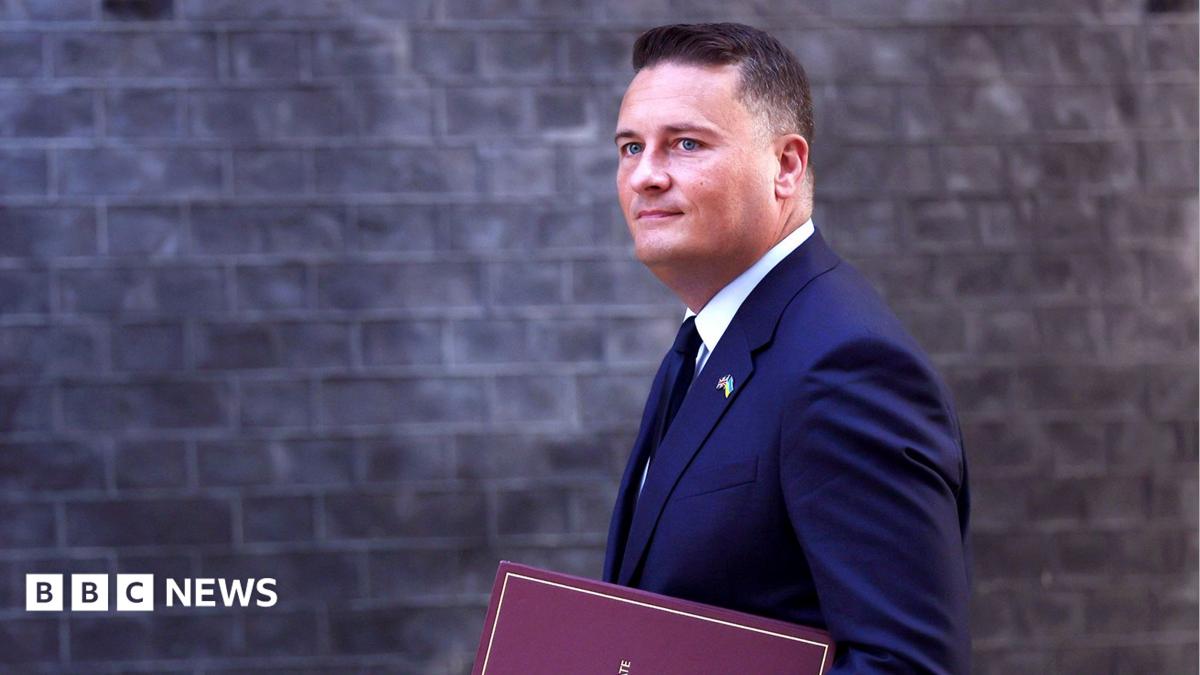 UKUK Defence Secretary Wes Streeting Urges Public Preparation for Cyber, Climate and Supply Chain Emergencies
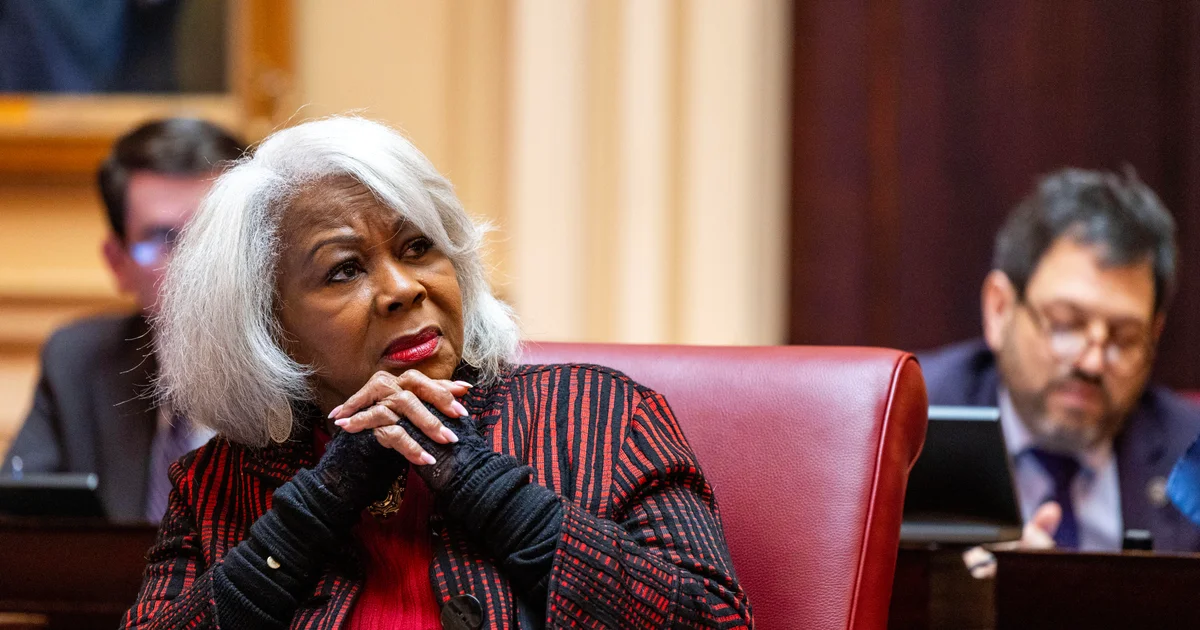 USAFederal Charges Filed Against Virginia State Senator L. Louise Lucas in Alleged Racketeering Scheme
 WorldRising Islamophobia and the Democratic Response to Attacks on Muslim Candidates
 ScienceGlobal Biodiversity Fund Faces Criticism as Pharmaceutical Contributions Stagnate at $7,000
 TechnologyMemphis City Council Rejects One-Year Data Center Moratorium in Favor of 135-Day Halt
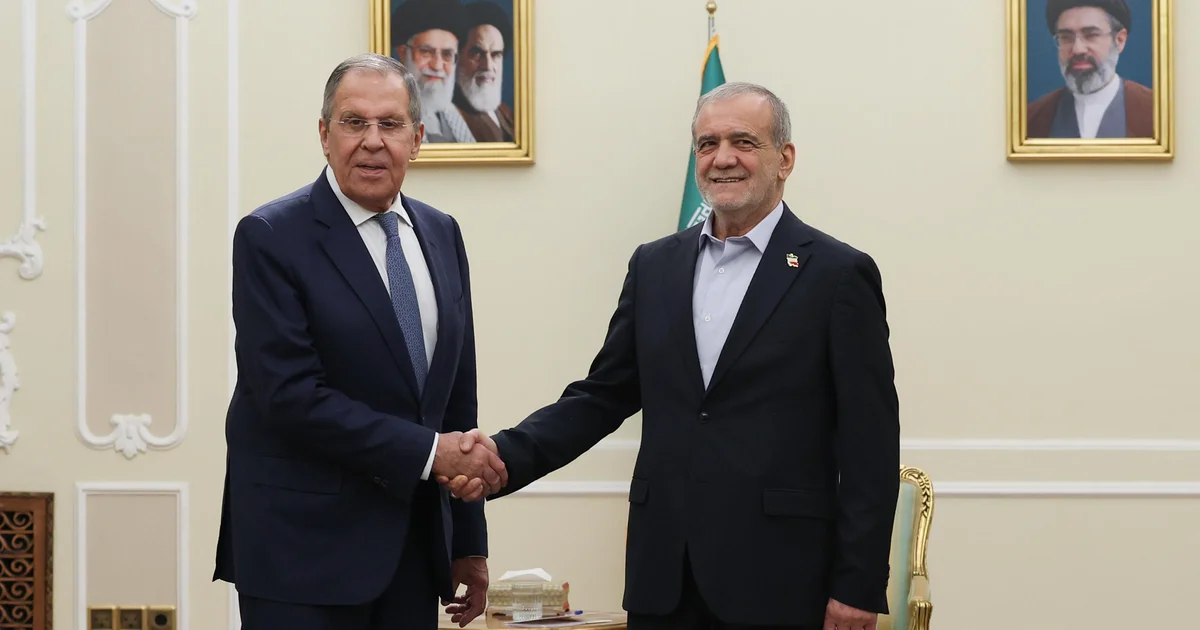 WorldDiplomatic and Military Developments in the Middle East: Iran, Russia, and Regional Security Updates
 WorldRubio Denounces Ukraine’s Claims of Withdrawn U.S. Support as ‘Scandalous’ Amid Oslo Diplomacy
 USATrump Administration Proposes Tying Federal Transit Funding to Local Birth and Marriage Rates
Research & context
Explore WORLD PULSE reference pages
Use these newsroom indexes to follow related coverage, review publication timelines and explore how WORLD PULSE reporting is organized.
Sources & attribution
The external reports, announcements or publications used to inform this article are listed here for attribution and reader context. A source link does not mean WORLD PULSE independently endorses every claim in that source.
Questions about sourcing, attribution or corrections: contact the newsroom.