Diplomatic and Military Developments in the Middle East: Iran, Russia, and Regional Security Updates
World Pulse Editorial — The WORLD PULSE editorial team covers international news, business, technology, AI, science, sport, culture and other subjects of public interest. The desk applies source attribution, editorial checks, context and corrections standards across the publication.
The byline identifies the newsroom author or editorial team responsible for this publication. Where the story is based on external reporting, those sources are identified below.
AI-assisted production may have been used in the drafting workflow. Source verification, attribution and editorial review remain the responsibility of WORLD PULSE.
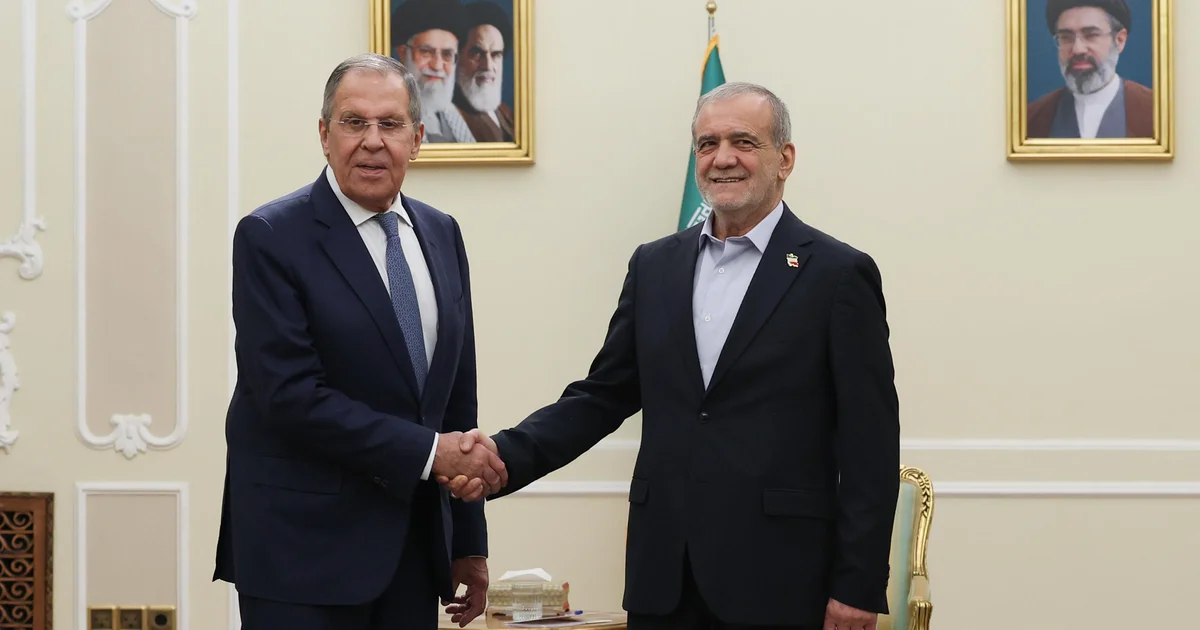
Iranian officials emphasize strong ties with Russia as regional hostilities continue, marked by ongoing diplomatic talks, Houthi missile strikes, and energy supply maneuvers by European powers.
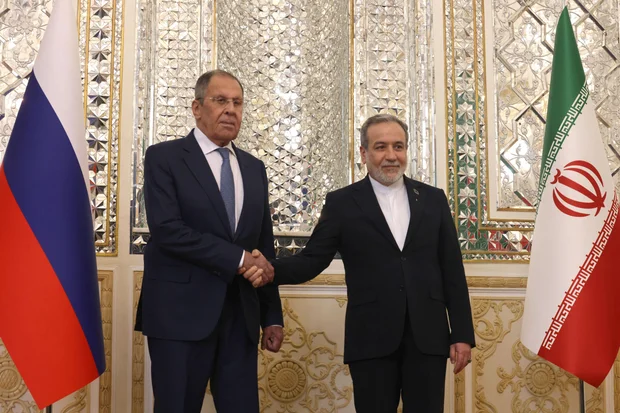
On Tuesday, Iranian officials highlighted a strengthening of ties between Tehran and Moscow, characterizing the current relationship as closer than ever. This statement, reported by CBS News, serves as a direct contrast to recent assertions by U.S. President Donald Trump, who characterized Russia’s assistance to Iran as negligible. Amidst the ongoing regional conflict, Russia’s foreign minister arrived in Tehran this week for his first visit since the outbreak of hostilities, where he publicly condemned recent U.S. and Israeli military strikes against Iran as illegal acts.
Despite the heightened rhetoric, diplomatic efforts to manage the conflict appear to be active. Speaking at the Global Security Forum in Doha on Tuesday, Qatari Foreign Ministry spokesman Majed al-Ansari stated that negotiations between the United States and Iran remain ongoing. While al-Ansari did not provide details regarding the nature of the engagement or the use of mediators, he emphasized that the parties remain in contact. He warned, however, that unchecked escalation carries the risk of the conflict expanding beyond the borders of the Middle East.
Military tensions remain pronounced across several fronts. Iranian officials confirmed they are pursuing legal action regarding a March incident in which a U.S. Navy submarine sunk the IRIS Dena warship. Brig. Gen. Moslem Yaghoubi, the Iranian army deputy for legal affairs, stated the ship was an unarmed training vessel carrying recruits and was located approximately 1,200 miles from the active battlefield, claiming the strike was militarily unnecessary. According to U.S. Defense Secretary Pete Hegseth, the incident marked the first time a U.S. submarine had utilized a torpedo to sink a warship since 1945, resulting in the deaths of more than 80 Iranian service members. Separately, Iran’s Chief of Staff of the Armed Forces warned on Tuesday that Tehran would not delay potential retaliatory actions against new U.S. attacks, stating that Iran would not wait for the outcomes of upcoming U.S. congressional elections.
Hostilities also intensified in Yemen and Saudi Arabia. A senior Yemeni government official reported that the death toll from a ballistic missile strike by the Iran-backed Houthis on a government military camp in Shabwa had risen to 73. The victims were recruits aged between 18 and 20. Saudi Arabia reported that its coalition forces intercepted a ballistic missile and a drone launched by the Houthis toward Riyadh. In response to these persistent threats, the U.K. government announced it would deploy Royal Air Force Typhoon jets to conduct defensive air patrols over Saudi Arabia and provide additional military advisers. Meanwhile, France is moving to secure energy supplies, with President Emmanuel Macron securing agreements for 200,000 tons of additional diesel per month from the UAE and Bahrain. These shipments are intended to bypass the Strait of Hormuz, as the G7 looks to mitigate pressures on global fuel supplies.
Reference resource
Follow the wider WORLD PULSE timeline and related reporting for this continuing story.
Russia-Ukraine War Coverage & TimelineTopic coverage
Follow recurring subjects across the WORLD PULSE newsroom.
Topics
Reader interest
Most read
 UKKelsey Parker Welcomes New Baby Named River Following Heartbreaking Stillbirth
 AIOpenAI Discloses New Safety Issues and Outlines Plan for Tracking Incidents
 SportsAsian Games Facing Accommodation Crisis and Weather Disruptions in Nagoya, Japan
More from the newsroom
Latest stories
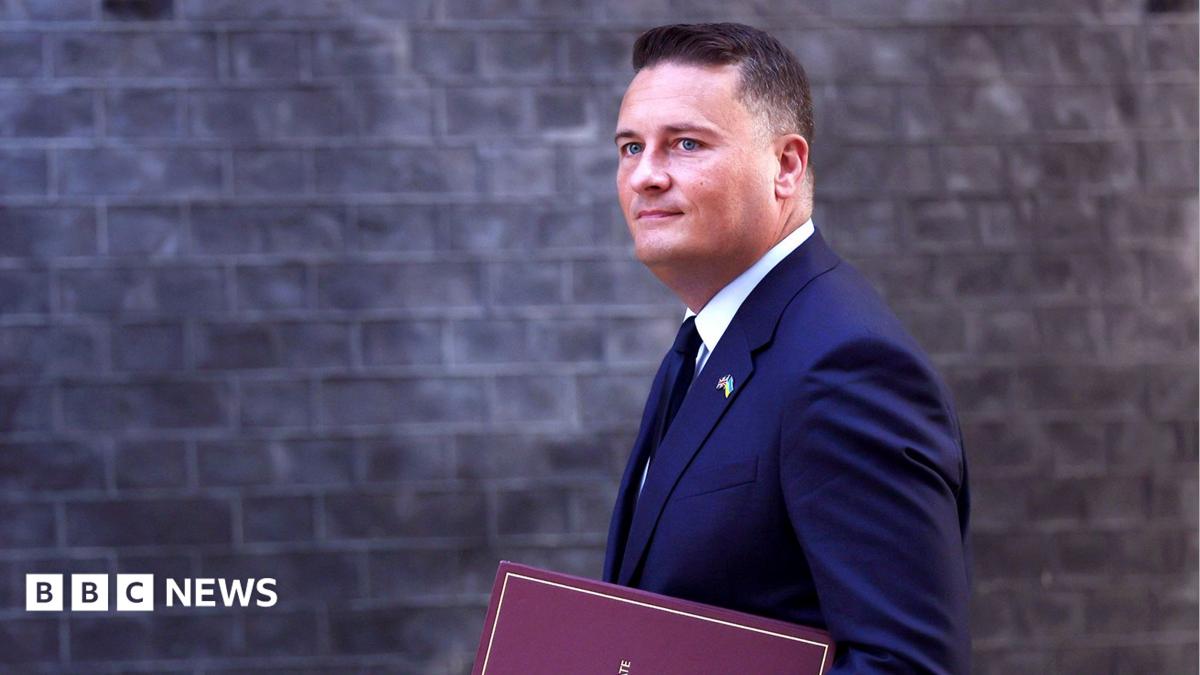 UKUK Defence Secretary Wes Streeting Urges Public Preparation for Cyber, Climate and Supply Chain Emergencies
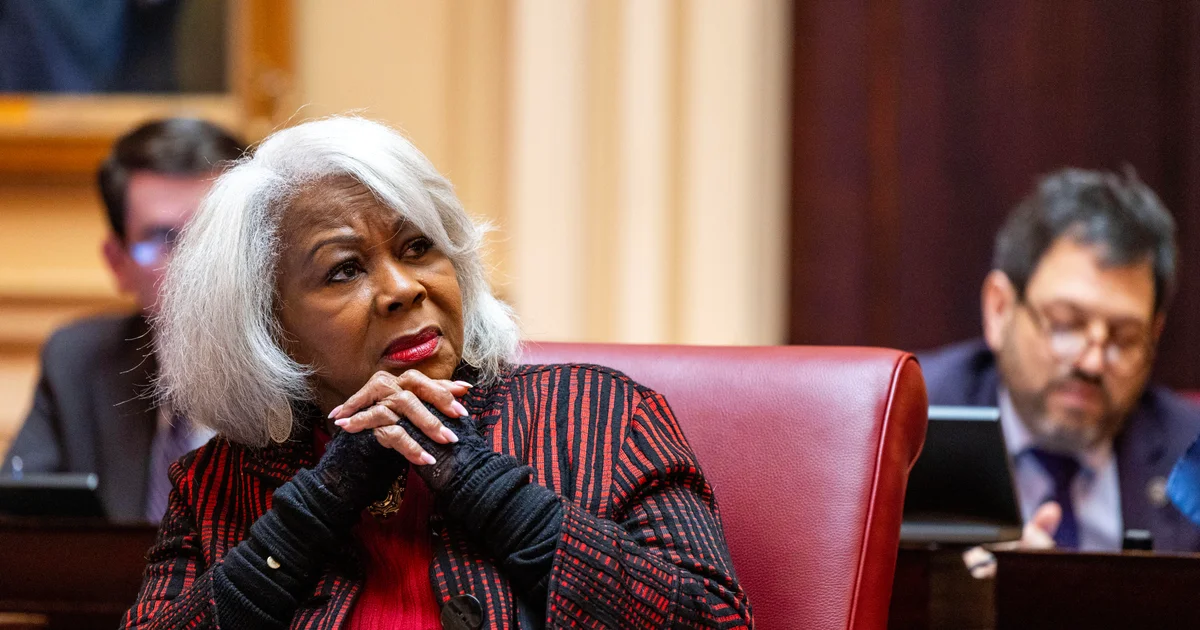 USAFederal Charges Filed Against Virginia State Senator L. Louise Lucas in Alleged Racketeering Scheme
 WorldRising Islamophobia and the Democratic Response to Attacks on Muslim Candidates
 ScienceGlobal Biodiversity Fund Faces Criticism as Pharmaceutical Contributions Stagnate at $7,000
 TechnologyMemphis City Council Rejects One-Year Data Center Moratorium in Favor of 135-Day Halt
 WorldRubio Denounces Ukraine’s Claims of Withdrawn U.S. Support as ‘Scandalous’ Amid Oslo Diplomacy
 USATrump Administration Proposes Tying Federal Transit Funding to Local Birth and Marriage Rates
 SportsPhoenix Suns Top ESPN's 2026-27 'Now or Later' NBA Rankings for Win-Now Urgency
Research & context
Explore WORLD PULSE reference pages
Use these newsroom indexes to follow related coverage, review publication timelines and explore how WORLD PULSE reporting is organized.
Sources & attribution
The external reports, announcements or publications used to inform this article are listed here for attribution and reader context. A source link does not mean WORLD PULSE independently endorses every claim in that source.
Questions about sourcing, attribution or corrections: contact the newsroom.