Memphis City Council Rejects One-Year Data Center Moratorium in Favor of 135-Day Halt
World Pulse Editorial — The WORLD PULSE editorial team covers international news, business, technology, AI, science, sport, culture and other subjects of public interest. The desk applies source attribution, editorial checks, context and corrections standards across the publication.
The byline identifies the newsroom author or editorial team responsible for this publication. Where the story is based on external reporting, those sources are identified below.
AI-assisted production may have been used in the drafting workflow. Source verification, attribution and editorial review remain the responsibility of WORLD PULSE.
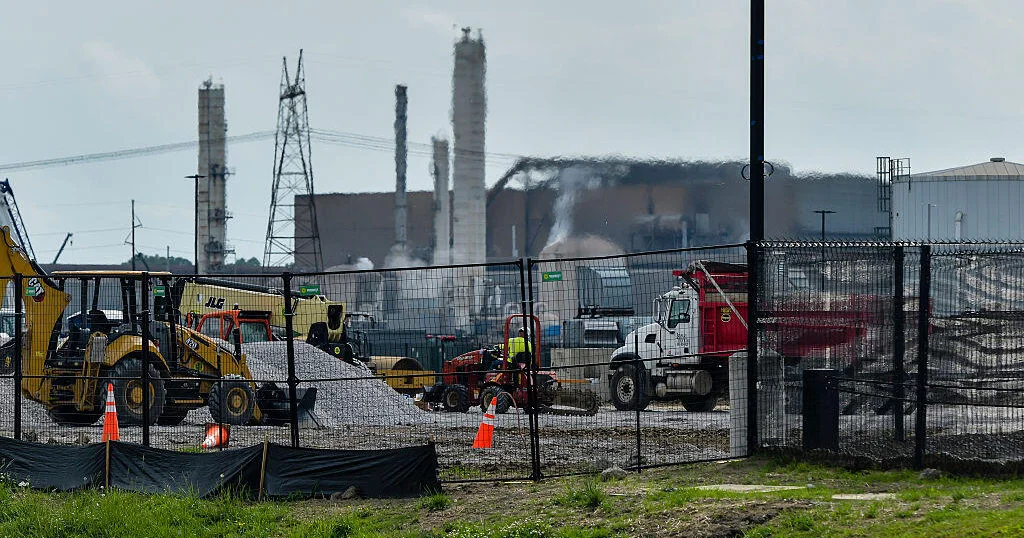
Following intense community protests and a contentious council session, Memphis city leaders have implemented a 135-day pause on new data center construction, moving away from a proposed one-year moratorium as regional concerns regarding SpaceXAI facilities mount.
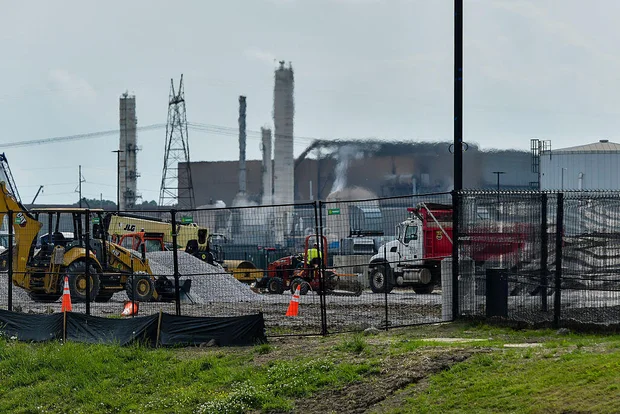
In a highly charged meeting on Tuesday, Memphis City Council members voted against a proposed one-year moratorium on data center development, opting instead for a 135-day construction halt. The alternative measure, which caught some council members by surprise due to its short-notice introduction, is designed to complement a 90-day review period previously established by Memphis Mayor Paul Young. According to reporting by CBS News, this shorter-term ordinance allows for an evaluation of data center impacts, including noise, air quality, water protection, and electrical infrastructure, without the full one-year pause that had been proposed to allow for the adoption of permanent zoning and disclosure requirements. The current 135-day suspension does not retroactively affect data centers already in operation.
Memphis has emerged as a significant hub for data center development, a surge primarily driven by Elon Musk's SpaceXAI. The company’s presence in the region began with the Colossus 1 facility in 2024. Since that time, SpaceXAI has expanded its footprint significantly, completing two additional data centers and initiating construction on two more within Memphis and neighboring Southaven, Mississippi. The rapid expansion has drawn substantial opposition from local residents and activist groups, who have expressed deep concern over the lack of transparency in local governance regarding corporate development and the subsequent environmental impacts on the community.
KeShaun Pearson, executive director of the Memphis Community Against Pollution, has been a vocal critic of the current trajectory. Ahead of Tuesday's vote, Pearson argued that elected officials have effectively abdicated their responsibility to protect residents, leaving the community to face corporate interests without sufficient advocacy. The atmosphere within the city council chambers reflected these deep-seated frustrations; following the vote, attendees vocalized their objections, with some members of the public chanting and singing in protest. This public unrest follows an earlier meeting on October 6, which was cut short due to similar disruptions and protests in the council chambers.
Complicating the local environment, community members like KeShaun Pearson and Tennessee Rep. Justin Pearson had been previously barred from attending council meetings following the earlier protests. However, both individuals were permitted to attend Tuesday's session after a federal judge overturned the local ban. A lawsuit brought by the NAACP and other organizations against a methane gas turbine plant in Southaven—which powers regional SpaceXAI facilities—remains an ongoing legal challenge. In a significant development on the day of the city council vote, a Mississippi federal judge refused a request from the Trump administration to dismiss the lawsuit.
This climate of opposition is part of a broader national trend. Recent findings from the Pew Research Center indicate that more than half of Americans now express discomfort with new data centers in their immediate areas, a sentiment increasingly manifesting in town halls and city council meetings nationwide. Despite requests for comment regarding the local developments and regulatory friction, SpaceXAI has not provided a response. Proponents of the facilities continue to emphasize the necessity of data centers for the growth of artificial intelligence and their potential for job creation. Conversely, critics and experts maintain that many of the associated positions are temporary construction roles rather than permanent employment for the local population.
Topic coverage
Follow recurring subjects across the WORLD PULSE newsroom.
Topics
Reader interest
Most read
 UKKelsey Parker Welcomes New Baby Named River Following Heartbreaking Stillbirth
 AIOpenAI Discloses New Safety Issues and Outlines Plan for Tracking Incidents
 SportsAsian Games Facing Accommodation Crisis and Weather Disruptions in Nagoya, Japan
More from the newsroom
Latest stories
 UKUK Defence Secretary Wes Streeting Urges Public Preparation for Cyber, Climate and Supply Chain Emergencies
 USAFederal Charges Filed Against Virginia State Senator L. Louise Lucas in Alleged Racketeering Scheme
 WorldRising Islamophobia and the Democratic Response to Attacks on Muslim Candidates
 ScienceGlobal Biodiversity Fund Faces Criticism as Pharmaceutical Contributions Stagnate at $7,000
 WorldDiplomatic and Military Developments in the Middle East: Iran, Russia, and Regional Security Updates
 WorldRubio Denounces Ukraine’s Claims of Withdrawn U.S. Support as ‘Scandalous’ Amid Oslo Diplomacy
 USATrump Administration Proposes Tying Federal Transit Funding to Local Birth and Marriage Rates
 SportsPhoenix Suns Top ESPN's 2026-27 'Now or Later' NBA Rankings for Win-Now Urgency
Research & context
Explore WORLD PULSE reference pages
Use these newsroom indexes to follow related coverage, review publication timelines and explore how WORLD PULSE reporting is organized.
Sources & attribution
The external reports, announcements or publications used to inform this article are listed here for attribution and reader context. A source link does not mean WORLD PULSE independently endorses every claim in that source.
Questions about sourcing, attribution or corrections: contact the newsroom.