Navigating Life Decisions Between Love and Location
World Pulse Editorial — The WORLD PULSE editorial team covers international news, business, technology, AI, science, sport, culture and other subjects of public interest. The desk applies source attribution, editorial checks, context and corrections standards across the publication.
The byline identifies the newsroom author or editorial team responsible for this publication. Where the story is based on external reporting, those sources are identified below.
AI-assisted production may have been used in the drafting workflow. Source verification, attribution and editorial review remain the responsibility of WORLD PULSE.

When faced with the choice between a significant other and a preferred place of residence, experts suggest that reframing the dilemma and acknowledging cognitive biases can help overcome analysis paralysis.

For individuals navigating the challenge of choosing between a long-distance partner and a location that represents their values and identity, science journalist Shayla Love suggests that shifting one's perspective on the decision-making process is essential. Writing in the Vox column "Your Mileage May Vary," Love notes that such dilemmas often cause individuals to feel they must sacrifice one meaningful life component for the other.
Psychological research, including work by Nobel Prize winners Daniel Kahneman and Amos Tversky, highlights that humans often struggle with cognitive biases when making life-changing choices. One significant factor is loss aversion, where the fear of what one might lose outweighs the potential gains of a new path. This can lead to "analysis paralysis," where anxiety over committing to an uncertain outcome prevents movement altogether.
To address this paralysis, Love points to research suggesting that even random interventions, such as flipping a coin to make a decision, can result in greater happiness for participants. This method helps individuals resist the status quo bias, which often keeps people in comfortable but less fulfilling situations. Deconstruction, a concept from French philosopher Jacques Derrida, may also assist by encouraging individuals to look beyond false binaries. By challenging the idea that the situation is a "lose-lose" choice, people may discover creative alternatives, such as moving to a new city together or splitting time between locations.
Ultimately, Love advises that individuals should consider their future as bound together with their partner, citing research that indicates support from a committed spouse can contribute to personal growth and long-term happiness. She emphasizes that delaying a decision is, in itself, a choice that carries its own consequences for the relationship and personal well-being.
Topic coverage
Follow recurring subjects across the WORLD PULSE newsroom.
Topics
Reader interest
Most read
 UKKelsey Parker Welcomes New Baby Named River Following Heartbreaking Stillbirth
 AIOpenAI Discloses New Safety Issues and Outlines Plan for Tracking Incidents
 SportsAsian Games Facing Accommodation Crisis and Weather Disruptions in Nagoya, Japan
More from the newsroom
Latest stories
 SportsMilwaukee Brewers Secure First World Series Title with Game 5 Victory Over Rays
 BusinessSunshine Buns Secures $7 Million to Expand Frozen Cinnamon Roll Sales Nationwide
 WorldPalestinians in Gaza and West Bank voice deep skepticism toward Israeli election
 WorldKing Charles III Faces Growing Demands for Reparations During Caribbean Tour
 SportsFantasy Basketball Risers and Fallers: Evaluating Early-Season Player Performance
 AsiaKylian Mbappé Loses Chinese Sponsorships After Comments Regarding Mao Zedong
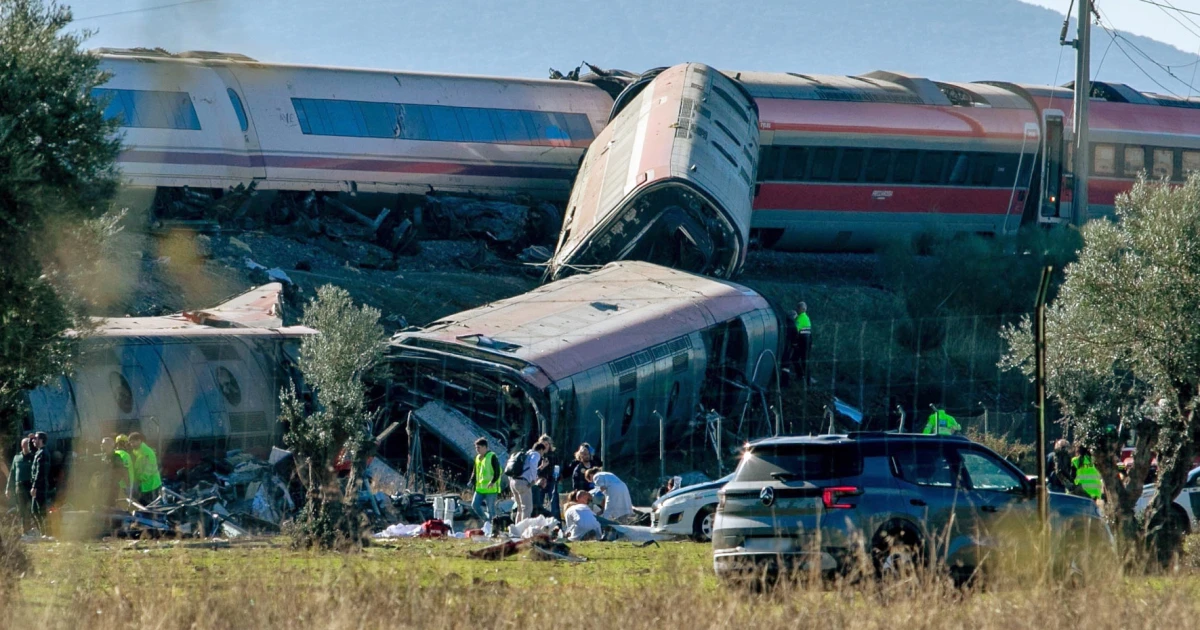 World68 Dead After High-Speed Trains Collide Near Toledo, Spain
 TechnologyAnthropic S-1 Filing Details Financial Losses, AI Security Risks and Infrastructure Hurdles
Research & context
Explore WORLD PULSE reference pages
Use these newsroom indexes to follow related coverage, review publication timelines and explore how WORLD PULSE reporting is organized.
Sources & attribution
The external reports, announcements or publications used to inform this article are listed here for attribution and reader context. A source link does not mean WORLD PULSE independently endorses every claim in that source.
Questions about sourcing, attribution or corrections: contact the newsroom.