Trump Announces Russian Diesel Deal; Zelensky Condemns Move as 'Investment in War'
World Pulse Editorial — The WORLD PULSE editorial team covers international news, business, technology, AI, science, sport, culture and other subjects of public interest. The desk applies source attribution, editorial checks, context and corrections standards across the publication.
The byline identifies the newsroom author or editorial team responsible for this publication. Where the story is based on external reporting, those sources are identified below.
AI-assisted production may have been used in the drafting workflow. Source verification, attribution and editorial review remain the responsibility of WORLD PULSE.
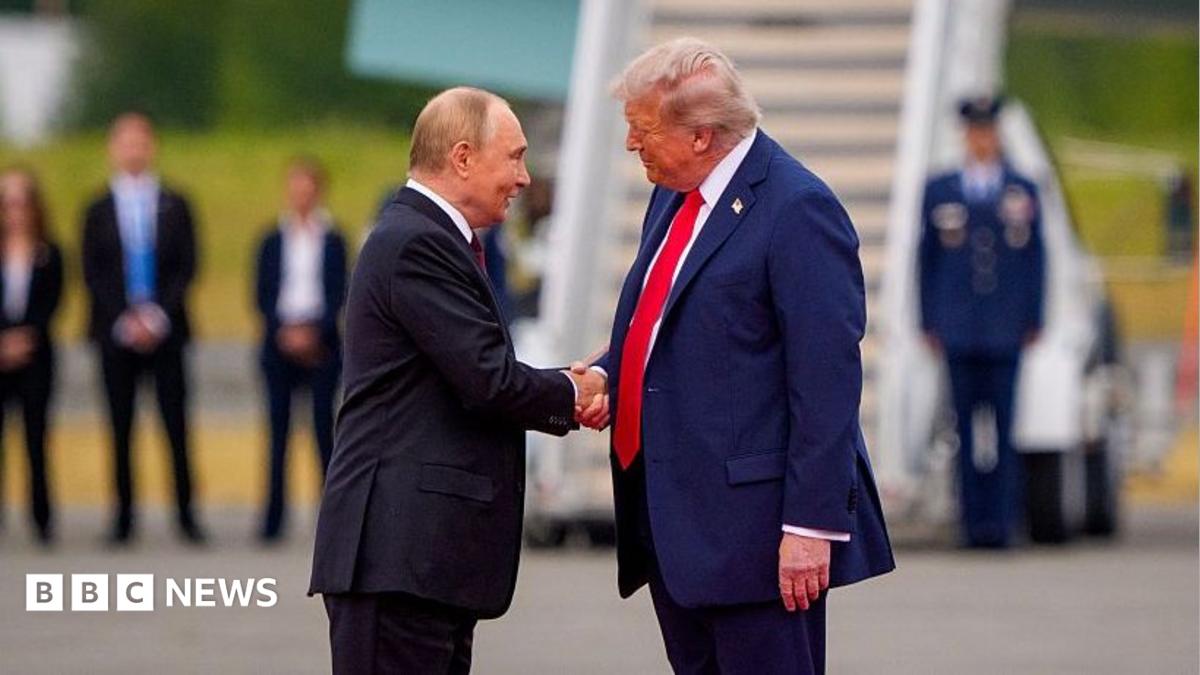
President Donald Trump has announced an agreement to import Russian diesel to the U.S. to address fuel prices, drawing sharp criticism from Ukrainian President Volodymyr Zelensky.
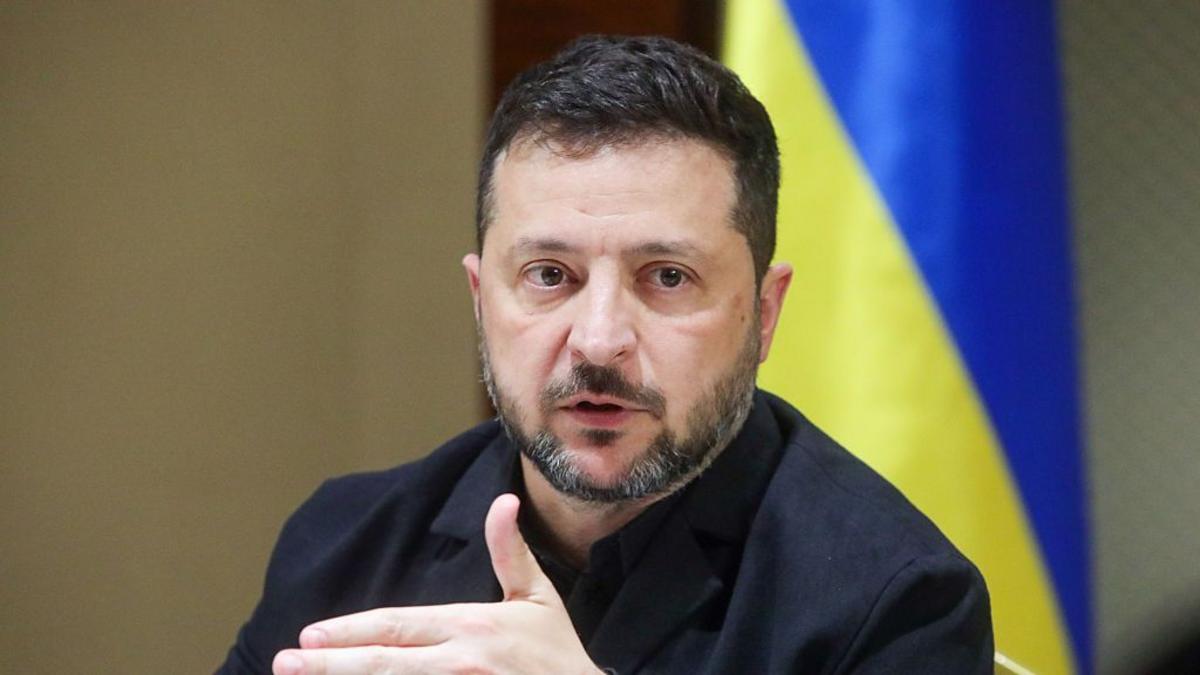
According to reporting by the BBC, President Donald Trump has announced a deal to import Russian diesel into the United States to address rising fuel costs ahead of the upcoming midterm elections. As part of the agreement, the U.S. Treasury is suspending sanctions on Russian diesel exports until 7 April.
Trump stated that Russian President Vladimir Putin agreed to release 300,000 tonnes of diesel immediately to the marketplace, with 500,000 tonnes to follow in November and one million tonnes thereafter. Trump noted on his Truth Social platform that a further three million tonnes could be delivered depending on the condition of Russian refineries, which have been impacted by Ukrainian drone strikes. Russia, which previously introduced a diesel export ban, confirmed through Putin a willingness to supply the U.S. and global markets, though no specific total amounts were provided by the Russian side.
Ukrainian President Volodymyr Zelensky condemned the announcement, calling it a 'gift to Putin' and 'an investment in a war that must be ended, not prolonged.' Zelensky stated that Russia would 'repay' the diesel with 'further terror.'
International reaction has been critical. European Union foreign affairs chief Kaja Kallas said the suspension of sanctions provides Moscow with more revenue to wage war, adding that Europe would not ease pressure on Russia. A UK government spokesperson also stated that the UK would maintain its current, rigorous sanctions regime.
Market analysts have questioned the efficacy of the deal. Tim Armitage, an investment strategist at Quilter Cheviot, noted the volumes are 'relatively small' compared to daily U.S. consumption of approximately 3.8 million barrels, suggesting the move may be an attempt to manage inflation rather than a structural fix for pump prices. Current U.S. diesel prices average $6.28 per gallon, according to the AAA, down from a record high of $6.53 in September. The U.S. Treasury has issued a temporary licence to facilitate the imports, while the White House has not disclosed what Russia will receive in return.
Reference resource
Follow the wider WORLD PULSE timeline and related reporting for this continuing story.
Russia-Ukraine War Coverage & TimelineTopic coverage
Follow recurring subjects across the WORLD PULSE newsroom.
Topics
Developing story
Follow the latest developments
Recent WORLD PULSE coverage with overlapping event terms is grouped here so readers can follow how the story is developing.
Reader interest
Most read
 UKKelsey Parker Welcomes New Baby Named River Following Heartbreaking Stillbirth
 AIOpenAI Discloses New Safety Issues and Outlines Plan for Tracking Incidents
 SportsAsian Games Facing Accommodation Crisis and Weather Disruptions in Nagoya, Japan
More from the newsroom
Latest stories
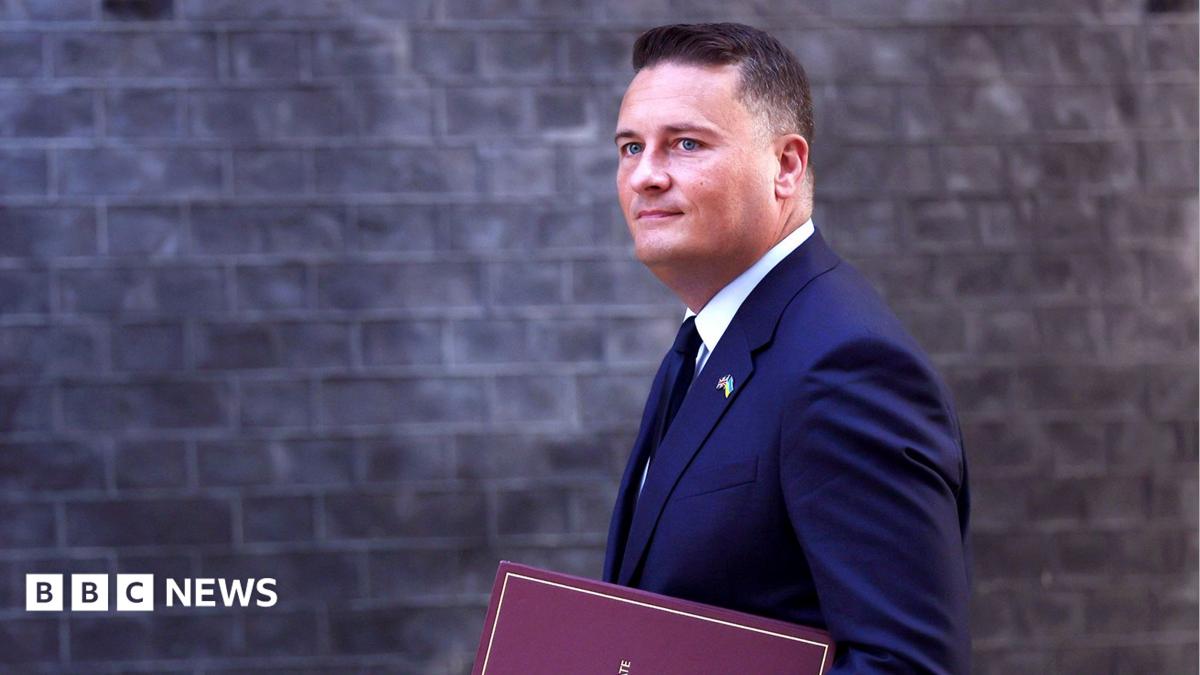 UKUK Defence Secretary Wes Streeting Urges Public Preparation for Cyber, Climate and Supply Chain Emergencies
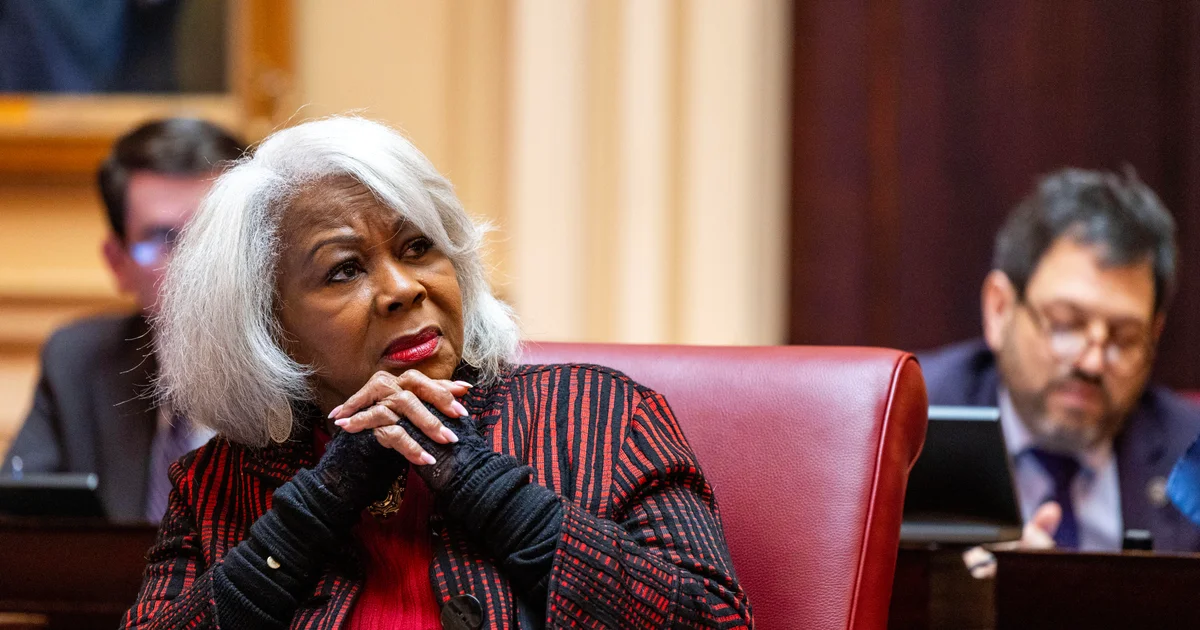 USAFederal Charges Filed Against Virginia State Senator L. Louise Lucas in Alleged Racketeering Scheme
 WorldRising Islamophobia and the Democratic Response to Attacks on Muslim Candidates
 ScienceGlobal Biodiversity Fund Faces Criticism as Pharmaceutical Contributions Stagnate at $7,000
 TechnologyMemphis City Council Rejects One-Year Data Center Moratorium in Favor of 135-Day Halt
 WorldDiplomatic and Military Developments in the Middle East: Iran, Russia, and Regional Security Updates
 WorldRubio Denounces Ukraine’s Claims of Withdrawn U.S. Support as ‘Scandalous’ Amid Oslo Diplomacy
 USATrump Administration Proposes Tying Federal Transit Funding to Local Birth and Marriage Rates
Research & context
Explore WORLD PULSE reference pages
Use these newsroom indexes to follow related coverage, review publication timelines and explore how WORLD PULSE reporting is organized.
Sources & attribution
The external reports, announcements or publications used to inform this article are listed here for attribution and reader context. A source link does not mean WORLD PULSE independently endorses every claim in that source.
Questions about sourcing, attribution or corrections: contact the newsroom.