US Midterms and the Global Backlash Against Data Centre Expansion
World Pulse Editorial — The WORLD PULSE editorial team covers international news, business, technology, AI, science, sport, culture and other subjects of public interest. The desk applies source attribution, editorial checks, context and corrections standards across the publication.
The byline identifies the newsroom author or editorial team responsible for this publication. Where the story is based on external reporting, those sources are identified below.
AI-assisted production may have been used in the drafting workflow. Source verification, attribution and editorial review remain the responsibility of WORLD PULSE.
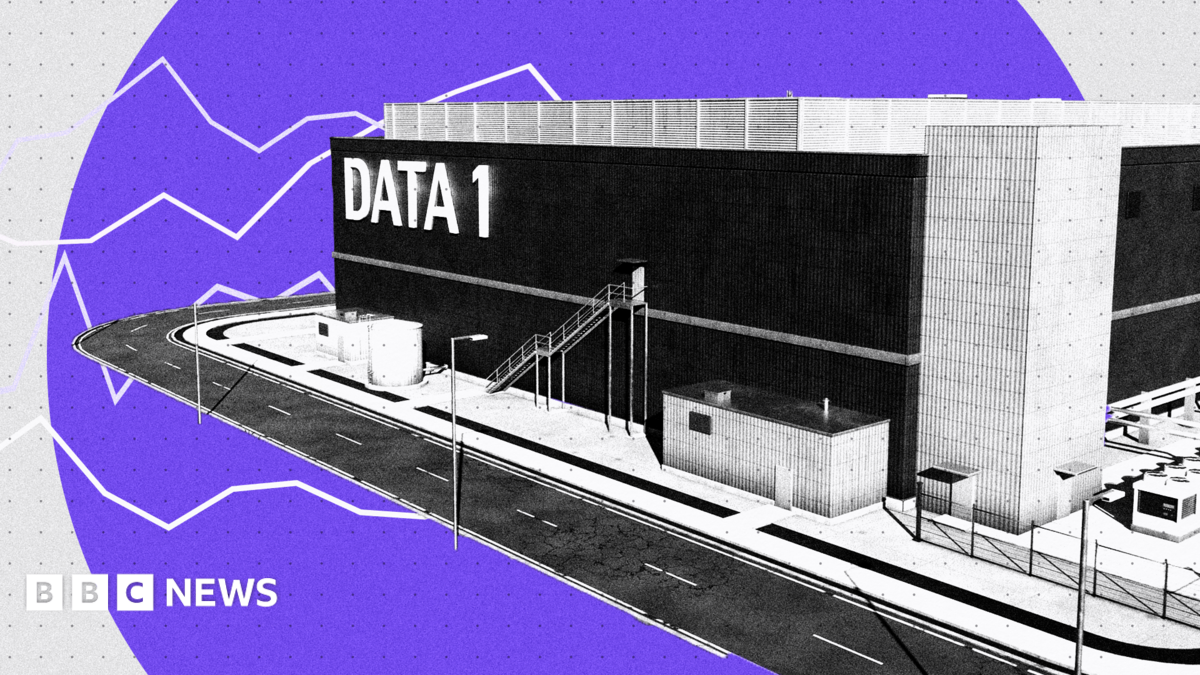
Rapid data centre growth is sparking environmental and resource concerns, becoming a point of political contention ahead of the US midterm elections.
The proliferation of data centres—the foundational infrastructure for AI services, web searches, and digital banking—has reached a critical turning point as public and political opposition intensifies. According to reporting by the BBC, the global landscape of these facilities is undergoing rapid expansion, with approximately 12,250 operational and pre-operational sites recorded, up from roughly 8,000 in 2021. As the industry scales to support AI, this growth is increasingly clashing with local environmental and resource concerns.
In the United States, this tension has migrated to the political stage ahead of the 3 November midterm elections. With 16 US states now proposing legislation to block or restrict new developments, the issue has divided major political factions. Both Republican and opposition Democratic candidates have expressed resistance to these facilities. This emerging policy conflict positions critics against US President Donald Trump, who has characterized the resistance as a "sick conspiracy."
Environmental and infrastructure concerns serve as the primary drivers of this backlash. Data centres collectively consume more electricity than the entire nation of France, a trend that is straining local grids and fueling fears regarding rising energy costs and increased carbon emissions. Furthermore, the reliance on vast quantities of water for cooling systems has prompted experts to warn of potential regional water shortages. Beyond these resource pressures, local communities are voicing concerns over the physical footprint of these sites and the noise they generate.
Technological projects are also testing local tolerance. For example, the Colossus campus, which includes the Colossus 2 facility intended to power xAI’s Grok chatbot with Nvidia chips, plans to utilize 41 methane gas turbines. While activists warn this could exacerbate local air pollution, regional regulators have stated that these turbines will adhere to required air quality standards.
Despite the controversy, proponents argue that data centres are essential for national security and economic growth. According to the BBC, supporters highlight that these sites attract investment and generate construction jobs. A report from the Brookings Center corroborates that data centres provide local employment, though it suggests the scale of job creation is often lower than industry claims, with the highest benefits found in “hyperscale” facilities operated by companies such as Amazon and Microsoft.
As the tech industry gears up for projected AI infrastructure spending of $765bn in 2026—climbing to over $1tn in 2027—the sector is seeking alternatives. Suggestions include moving data centres to space or the Moon to utilize solar energy, or decentralizing AI processing to reside directly within personal smartphones and computers.
Topic coverage
Follow recurring subjects across the WORLD PULSE newsroom.
Topics
Developing story
Follow the latest developments
Recent WORLD PULSE coverage with overlapping event terms is grouped here so readers can follow how the story is developing.
Reader interest
Most read
 UKKelsey Parker Welcomes New Baby Named River Following Heartbreaking Stillbirth
 AIOpenAI Discloses New Safety Issues and Outlines Plan for Tracking Incidents
 SportsAsian Games Facing Accommodation Crisis and Weather Disruptions in Nagoya, Japan
More from the newsroom
Latest stories
 SportsMilwaukee Brewers Secure First World Series Title with Game 5 Victory Over Rays
 BusinessSunshine Buns Secures $7 Million to Expand Frozen Cinnamon Roll Sales Nationwide
 WorldPalestinians in Gaza and West Bank voice deep skepticism toward Israeli election
 WorldKing Charles III Faces Growing Demands for Reparations During Caribbean Tour
 SportsFantasy Basketball Risers and Fallers: Evaluating Early-Season Player Performance
 AsiaKylian Mbappé Loses Chinese Sponsorships After Comments Regarding Mao Zedong
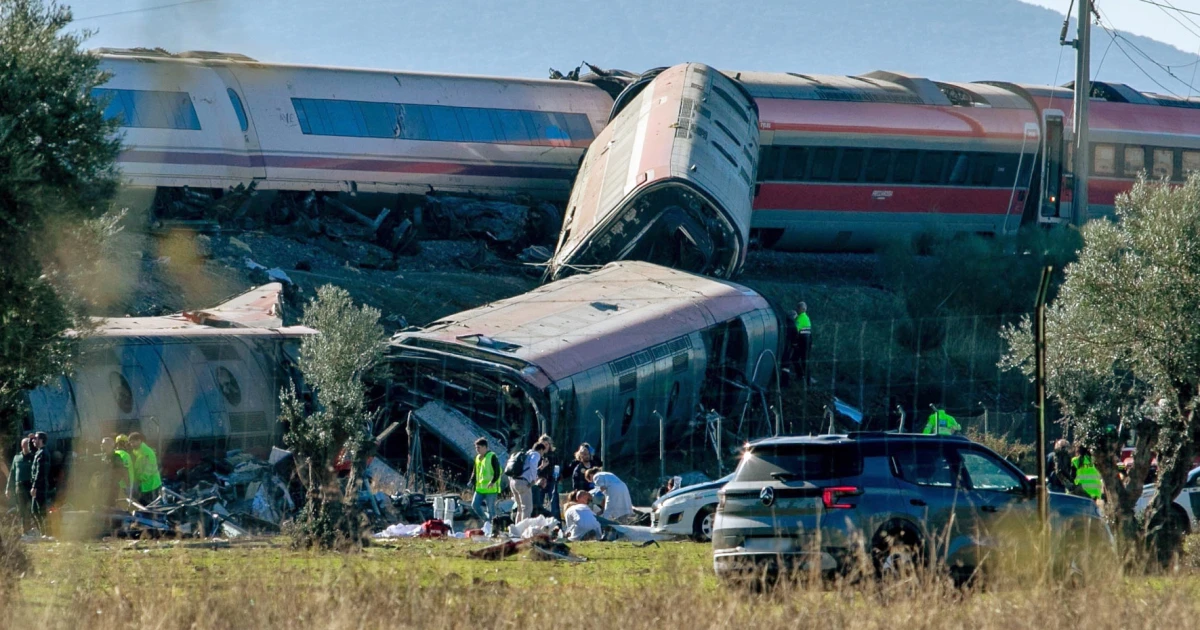 World68 Dead After High-Speed Trains Collide Near Toledo, Spain
 TechnologyAnthropic S-1 Filing Details Financial Losses, AI Security Risks and Infrastructure Hurdles
Research & context
Explore WORLD PULSE reference pages
Use these newsroom indexes to follow related coverage, review publication timelines and explore how WORLD PULSE reporting is organized.
Sources & attribution
The external reports, announcements or publications used to inform this article are listed here for attribution and reader context. A source link does not mean WORLD PULSE independently endorses every claim in that source.
Questions about sourcing, attribution or corrections: contact the newsroom.